How to Use an Inflatable Pool at the Beach Safely?
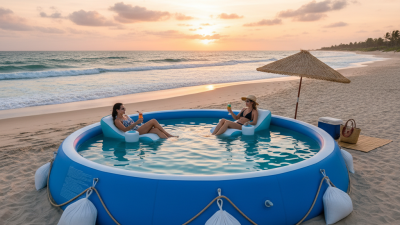
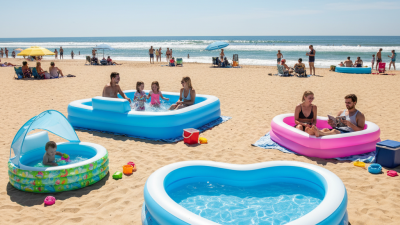
Using an Inflatable Pool at the Beach can be a fun way to enjoy sun and water. A report by the Consumer Product Safety Commission found that inflatable pools have become increasingly popular. In recent years, they have gained traction especially during hot summer months. However, safety must be a priority when using these pools at the beach.
Consider the potential dangers. Strong waves and sudden weather changes can pose risks. It's crucial to choose a location that is calm and safe. Unfortunately, many beachgoers overlook safety tips, which can lead to accidents. A study showed that more than 3,000 people visit the hospital yearly due to inflatable pool incidents. Being cautious is essential.
Always supervise children when they play in an Inflatable Pool At The Beach. Lifeguards may be present, but their focus is on the overall swimming area. Only use pools that are designed for beach conditions. Think about the stability of the pool and your surroundings. Proper setup can make your experience enjoyable and safer.
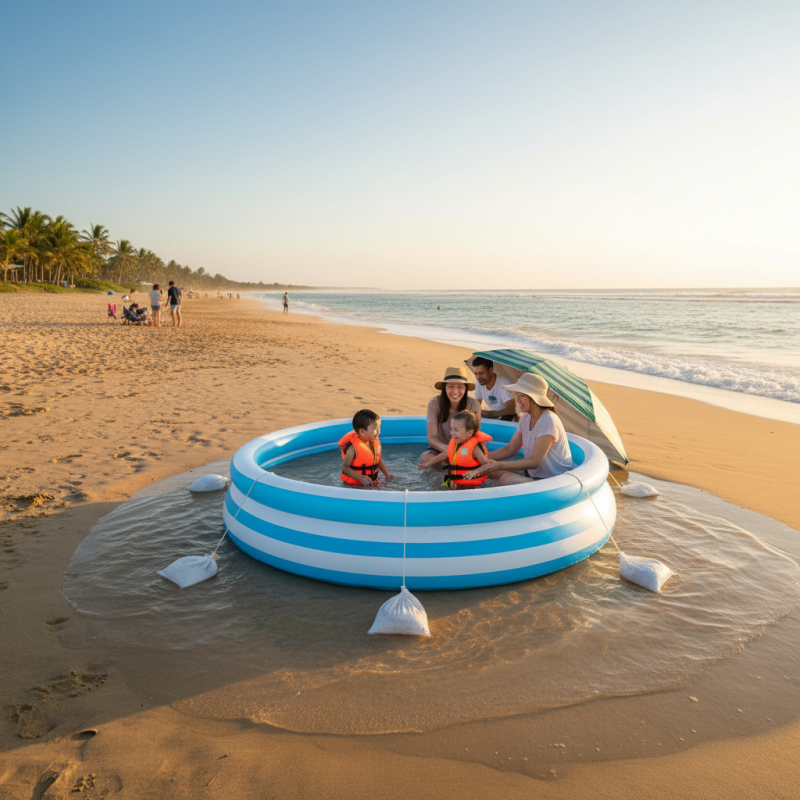
Understanding Inflatable Pools and Their Benefits for Beach Use
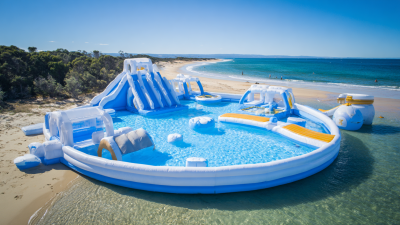
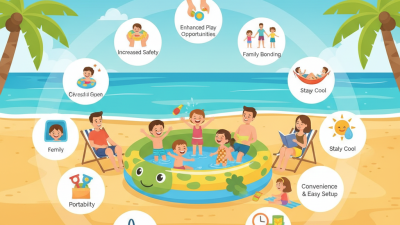
Inflatable pools offer a unique way to enjoy the beach. They provide comfort and fun for families. According to a recent report from the American Sports Data, over 30% of beachgoers prefer using inflatables for relaxation. These pools allow children to splash around safely while parents unwind.
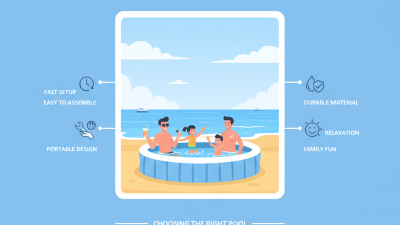
Using an inflatable pool at the beach can enhance the experience. They are portable and easy to set up. However, safety concerns arise. Inflatables can deflate or drift away. Nearly 20% of accidents near water involve inflatable toys. Parents must supervise children closely.
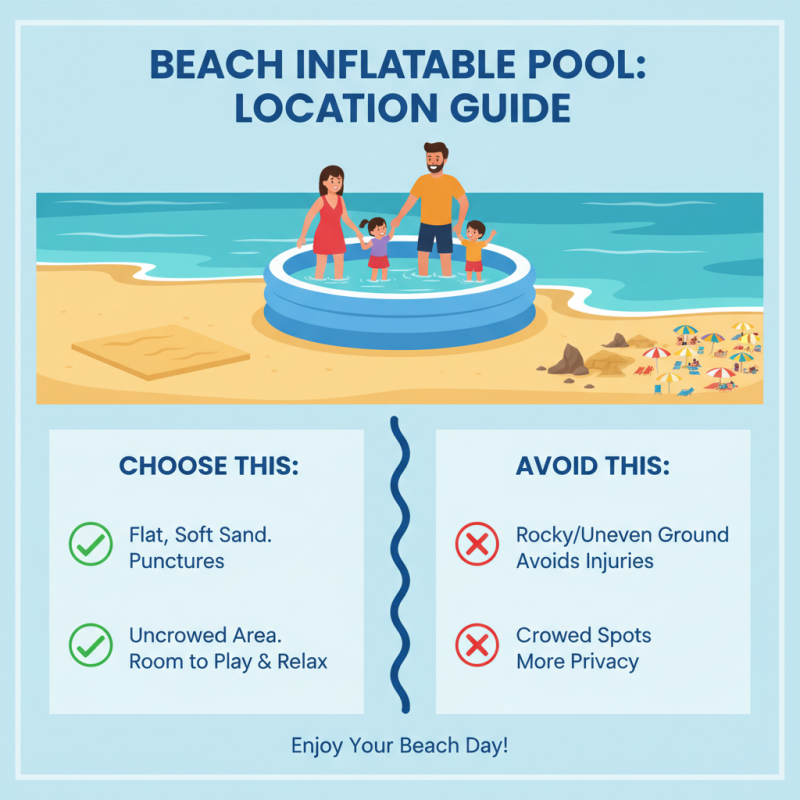
Environment also plays a role. Sandy areas can make it difficult to stabilize a pool. Choosing a flat and clean spot is essential. Some pools might leak or become damaged by sharp objects. Regular checks can prevent unexpected incidents. Creating a safe beach environment with inflatables is possible, but it requires vigilance and preparation.
Essential Safety Precautions When Using Inflatable Pools on the Beach
When using an inflatable pool at the beach, safety should be your top priority. Always choose a spot away from strong currents and waves. Look for a flat area on the sand. Check the weather conditions before setting up your pool. Avoid windy days, as strong gusts can easily lift your pool, leading to accidents.
Tips: Always supervise children closely when they are in or near the inflatable pool. Use a designated floatation device, especially for younger kids. Ensure everyone knows how to swim. Keep a first aid kit handy, just in case.
Remember, the beach is unpredictable. Sand can shift under your inflatable pool, causing instability. Avoid overcrowding your pool, as too many people can tip it over. Be cautious and keep an eye on water levels. When the tide rises, be prepared to move the pool. It’s vital to stay safe while having fun.
How to Use an Inflatable Pool at the Beach Safely - Essential Safety Precautions When Using Inflatable Pools on the Beach
| Safety Precaution |
Description |
Importance |
| Supervision |
Always designate a responsible adult to supervise children while they are in the inflatable pool. |
Prevents drowning and ensures safety. |
| Location |
Set up the pool away from the shore and strong currents, on flat sandy ground. |
Minimizes risk of accidents and enhances stability. |
| Inflation Check |
Regularly check for air leaks and ensure the pool is properly inflated. |
Prevents the pool from collapsing and causing injury. |
| Sun Protection |
Use sunscreen and have shade available to protect from sun exposure. |
Reduces risk of sunburn and heat-related illnesses. |
| Emergency Plan |
Have a first aid kit and know emergency procedures in case of an incident. |
Ensures prompt response to any accidents. |
Tips for Properly Anchoring and Stabilizing Your Inflatable Pool
Using an inflatable pool at the beach can be a lot of fun. However, anchoring it properly is crucial for safety. Without proper stabilization, strong winds or waves can turn a relaxing day into a chaotic one.
Tips for anchoring your pool include using heavy objects. Consider sandbags or weighted anchors. Place them at the corners of the pool to help keep it steady. Make sure to check the anchors periodically. They can shift over time, especially during play. Always be mindful of changing tides, as they can affect the positioning of your pool.
Another idea is to choose a sheltered area on the beach. Look for spots with natural barriers, like dunes or rocks. These can help protect your pool from the wind. However, be careful not to place it too close to the water. Waves can easily sweep over and damage your pool. Always keep an eye on the weather. Sudden changes can make a day at the beach unsafe.
Post-Use Care: Cleaning and Storing Your Inflatable Pool Safely
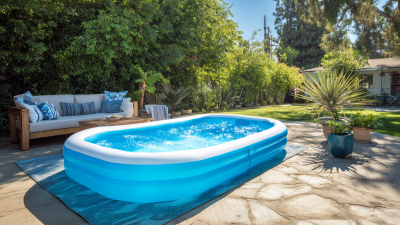
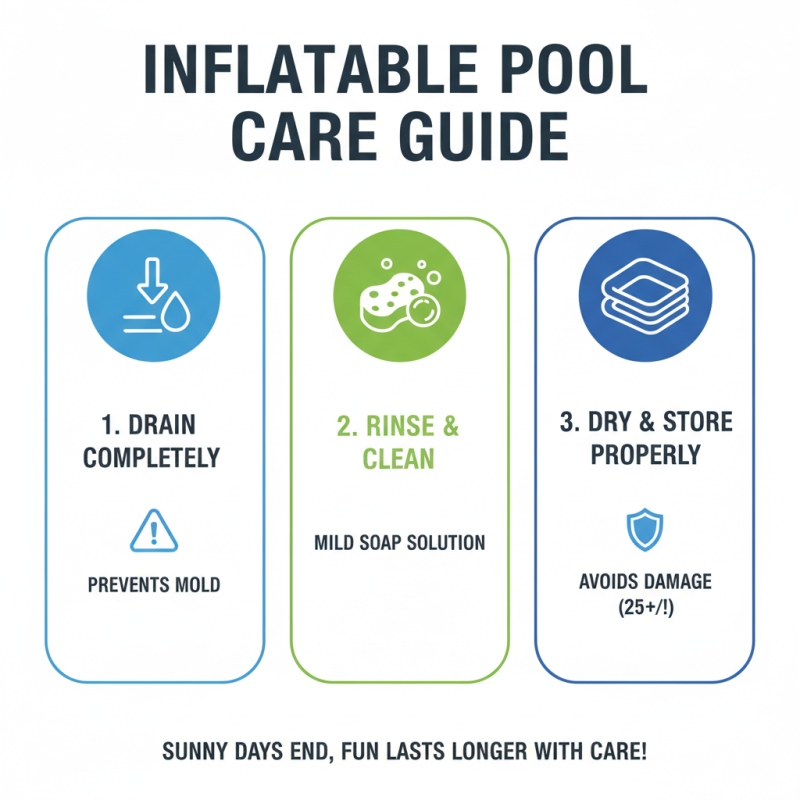
After enjoying a day in the sun, proper care for your inflatable pool is crucial. Start by draining all the water completely. Leaving water inside can lead to mold growth. According to industry studies, over 25% of inflatable pools experience damage from improper storage practices. Once drained, rinse the pool with a mild soap solution. This helps remove any dirt and bacteria collected during use.
Dry your inflatable pool thoroughly before folding it. Storing a damp pool increases the risk of mildew. Professionals recommend leaving it out to air dry for several hours. Make sure to keep it in a shaded area to protect it from UV rays. Consider using a soft towel to speed up the drying process. When foldable, store it in a cool, dry place, away from direct sunlight. Improperly stored inflatable pools can lose their durability, with nearly 30% showing signs of wear within the first season.
Remember to inspect your pool for punctures before storing. Some damages might not be visible initially. Utilize a patch kit for any minor repairs. This can extend the life of your inflatable pool significantly. Reflect on your storage habits. Could you improve them to ensure better longevity and safety?