What is an Inflatable Pool Tank and How to Choose One?
Inflatable Pool Tanks are increasingly gaining popularity in various industries. They serve not only for recreational purposes but also for practical applications like livestock watering and emergency water storage. According to a 2022 market report by Grand View Research, the demand for inflatable water containment solutions is projected to grow at a CAGR of 5.7% from 2023 to 2030. This reflects a rising awareness of their versatility and efficiency.
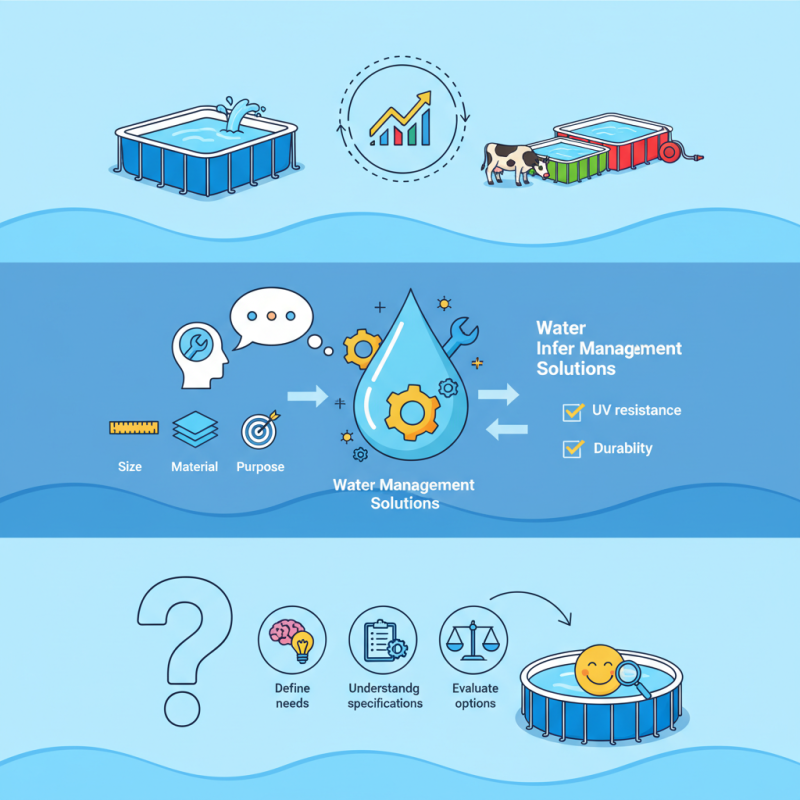
Expert Brian Green, a renowned figure in the inflatable structures industry, states, "An Inflatable Pool Tank is a game-changer for water management solutions." His insights highlight the increasing reliance on these tanks, especially in regions where water scarcity is a pressing issue. However, choosing the right Inflatable Pool Tank can be challenging. Factors like size, material, and purpose need careful consideration.
Not all inflatable tanks are created equal; some may lack durability or UV resistance. Buyers often focus too much on price and overlook essential features. Defining needs and understanding specifications can significantly impact overall satisfaction. It's crucial to evaluate options thoroughly and reflect on what works best for individual circumstances and applications.
What is an Inflatable Pool Tank?
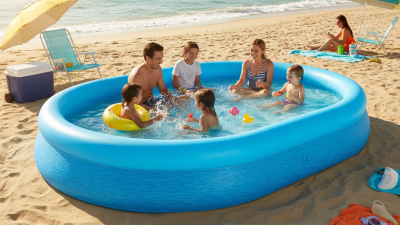
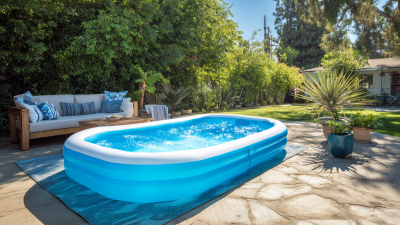
Inflatable pool tanks have gained popularity for their versatility and ease of use. These structures are essentially large, inflatable containers designed to hold water for recreational purposes or temporary aquatic environments. They are often made from durable materials like PVC or reinforced vinyl, making them resistant to punctures and UV damage. According to industry reports, the inflatable pools market is projected to grow by 5.9% annually, highlighting a surge in consumer interest.
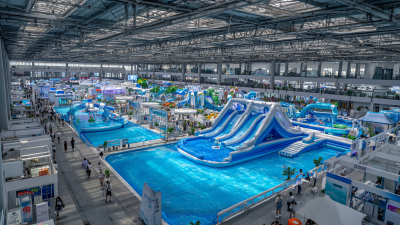
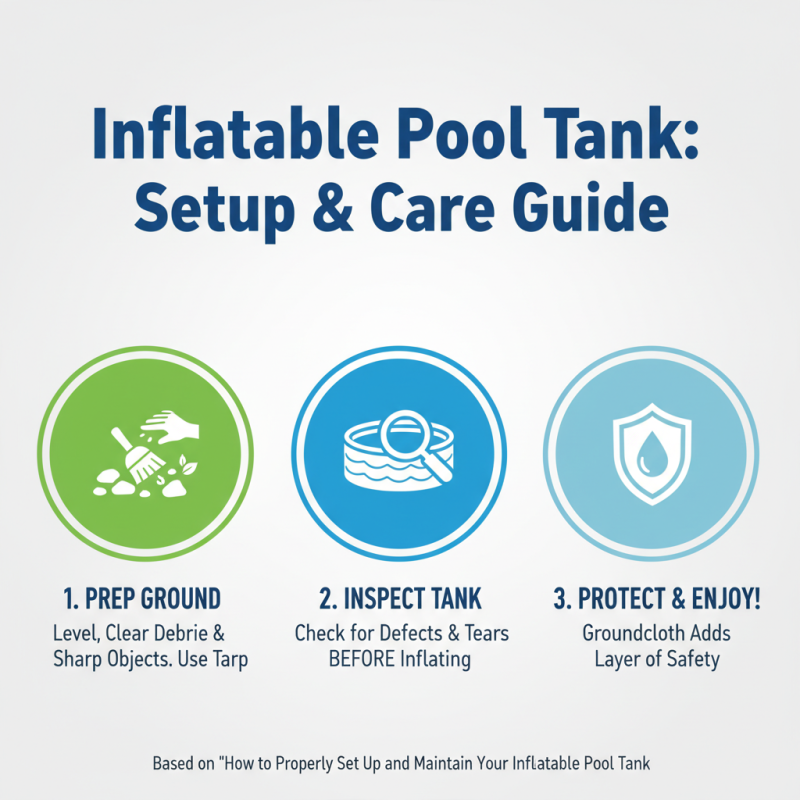
The size of an inflatable pool tank can vary significantly, accommodating both small gatherings and large events. Some tanks can hold up to 10,000 gallons of water, while others are ideal for family use, holding around 500 gallons. When selecting one, it's essential to consider available space and intended usage. The ease of installation is another factor; many models can be set up within minutes with minimal equipment. Yet, challenges remain, such as potential leakage and the need for continuous maintenance. Regular inspections are crucial to ensure long-term use and reliability.
Consumer feedback often points to concerns about punctures and durability. It's common for users to experience issues related to these tanks not being as robust as expected. Choosing a pool tank involves weighing these risks against the benefits, like convenience and portability. While inflatable pools provide fun experiences, it's essential to remember their limitations. Users should be well-informed about both their advantages and drawbacks to make the best decision.
Benefits of Using an Inflatable Pool Tank
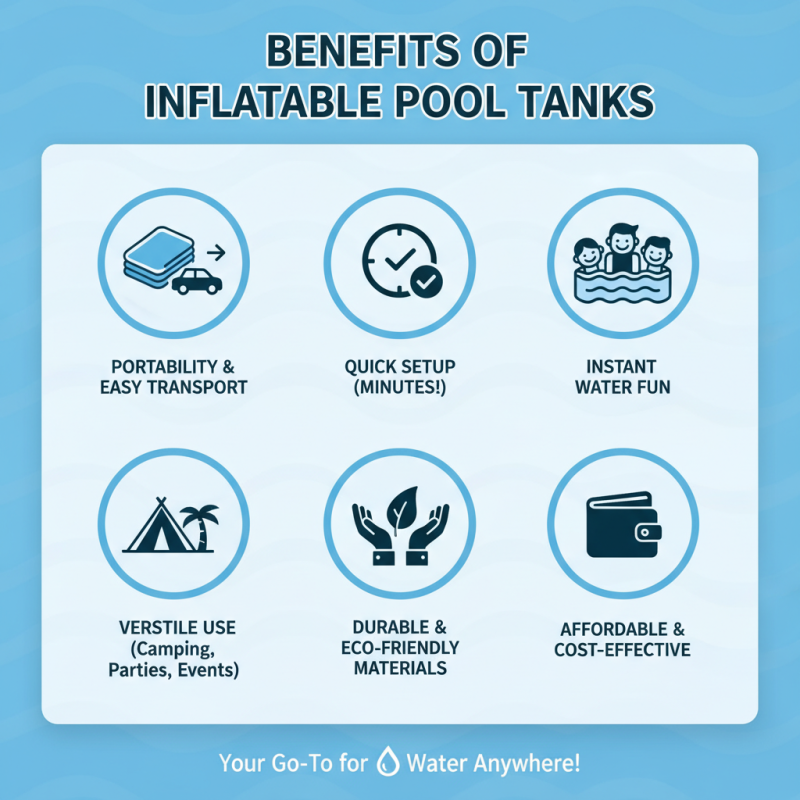
Inflatable pool tanks offer numerous benefits for both recreational and professional use. One major advantage is their portability. These tanks can be easily deflated and transported, making them ideal for camping trips, backyard parties, or temporary installations at events. You can set them up within minutes, allowing instant access to water-based activities.
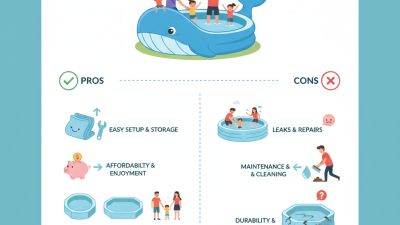
Another significant benefit is their cost-effectiveness. Inflatable tanks typically require a lower initial investment compared to traditional pool installations. They also need less maintenance and fewer chemicals, which can save money over time. However, some users have noted that durability can be an issue. Over time, punctures and leaks might occur, requiring careful handling.
Additionally, inflatable tanks are versatile. They can serve various purposes such as a recreational splash pool for kids or a water storage solution for gardening. However, it’s essential to consider the environment and weather conditions. Windy days can make using them challenging. Despite these potential drawbacks, inflatable pool tanks remain popular for their practicality and fun.
Key Features to Consider When Choosing an Inflatable Pool Tank
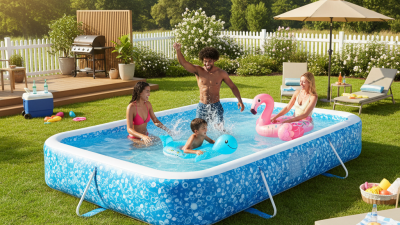
When selecting an inflatable pool tank, several key features deserve your attention. The size is crucial. Consider the available space in your yard. A bigger tank offers more fun but takes up more room. Also, think about how many people will use it. Choose a size that caters to your needs.
Material quality is another vital factor. Look for durable, puncture-resistant fabrics. Strong seams enhance longevity. You do not want to deal with leaks or tears after just a few uses. Evaluate the tank's weight capacity as well. Some tanks might not support larger groups safely, leading to accidents.
Tips: Always check user reviews. They can provide insights into real-world performance. Don’t overlook safety features, such as non-slip surfaces. Having a good grip can prevent slips during wet conditions.
Finally, consider the inflation and deflation process. Some tanks come with electric pumps, making setup easier. Manual pumps can be labor-intensive. Think about your convenience. Will you be able to set it up quickly? A hassle-free model might enhance your overall experience.
Popular Brands and Models of Inflatable Pool Tanks on the Market
When selecting an inflatable pool tank, it's vital to consider the leading brands and models available. Many brands offer tanks with unique features and specifications. Some models provide easy setup and portability, while others focus on durability and size. Popular brands often emphasize materials that ensure better stability, especially when filled with water. Options range from small personal tanks to larger models designed for family use.
Moreover, customer reviews can offer insights into the performance and reliability of various tanks. Users frequently share experiences regarding ease of use and maintenance. Some models may require more upkeep than expected, making firsthand accounts essential for informed choices. Evaluating common issues, like punctures or leakage, aids in understanding a model's longevity.
Additionally, think about the tank's design. Some come with built-in drains, while others may feature additional accessories. Weighing the benefits against potential downsides is crucial. A visually appealing design may attract buyers, yet functionality should remain the priority. By exploring different brands and models, you can find the inflatable pool tank that suits your needs best.