How to Choose the Best Inflatable Canoe for Your Outdoor Adventures?
Choosing the best inflatable canoe for outdoor adventures can be overwhelming. The inflatable canoe market is rapidly growing, with sales projected to reach $1.5 billion by 2025. Enthusiasts are drawn to the convenience and portability these canoes offer.
When considering an inflatable canoe, it's crucial to evaluate material durability and design efficiency. Many models boast high-pressure technology that ensures they remain stable on water. However, not all inflatable canoes are created equal. Some may deflate too quickly or lack proper safety features.
User reviews and industry reports highlight common pitfalls. Many buyers wish they had researched more before purchasing. Features like storage capacity and weight limits can vary significantly. It’s essential to reflect on your needs before making a choice. Ultimately, selecting the right inflatable canoe enhances your outdoor experience, allowing you to enjoy nature fully.
Factors to Consider When Choosing an Inflatable Canoe
Choosing the right inflatable canoe can make or break your outdoor adventures. There are several factors to consider. First, think about the canoe's material. PVC is common and durable, but it can be heavy. Nylon is lighter and easier to pack, yet it may not last as long.
Capacity is another important factor. Consider how many people will paddle together. Some canoes hold two, while others can accommodate more. Are you taking gear? Then you might need extra space. Pay attention to weight limits as well. A canoe that's too small can lead to instability.
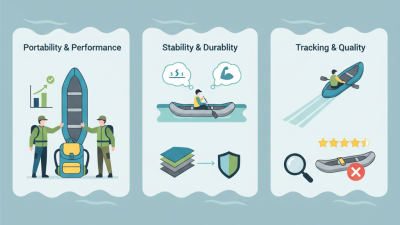
Portability matters too. Look for designs that easily fit into a backpack. However, be cautious; lighter models may sacrifice performance. Test inflating and deflating times. If it takes too long, you might waste precious adventure time. Lastly, think about storage options. Some canoes require spacious areas, while others can easily fit in a car trunk. Reflect on your priorities. Each detail shapes your canoeing experience.
Understanding Different Types of Inflatable Canoes and Their Uses
When it comes to inflatable canoes, understanding their types is essential. There are various styles to choose from, each catering to different adventures. A fishing canoe features stability and storage space for gear. It’s perfect for lazy days on the water. Conversely, a touring canoe is built for speed and efficiency. It suits long-distance paddlers who crave exploration.
Inflatable canoes also vary in materials. Some are made of durable PVC, while others use tougher nylon. Each material offers unique benefits. PVC can be more affordable, but might not withstand rough conditions. Nylon is robust and resilient, yet carries a higher price tag. Weigh your priorities carefully. Consider where you plan to take your canoe.
Lastly, size matters. A one-person canoe promotes agility, while a multi-person option enhances social fun. However, more capacity can reduce speed. Think about your intended use. Don’t forget to factor in the ease of inflation and deflation. A cumbersome process can ruin those spontaneous trips. Choose wisely to ensure your canoe matches your outdoor dreams.
Comparison of Different Types of Inflatable Canoes
Key Features to Look for in a Quality Inflatable Canoe
When selecting an inflatable canoe, it's crucial to focus on key features that determine quality and performance. One of the most important factors is material durability. PVC and Nitrylon are popular choices due to their resistance to punctures. According to industry reports, canoes made from high-denier materials tend to last longer in harsh conditions. Many paddlers find that a canoe with reinforced seams offers increased stability, especially in choppy waters.
Another essential feature is the canoe's weight capacity. The average inflatable canoe can hold up to 600 pounds. However, it's wise to consider the combined weight of passengers and gear. Some models may not perform well if overloaded, leading to safety issues. Furthermore, the design of the canoe's hull plays a significant role in maneuverability and speed. A wide hull can offer stability but may slow down your paddling. On the other hand, a narrow hull often glides better but can be less stable.
It's also important to think about storage and portability. Many models deflate to a compact size, making them easy to transport. However, some might take longer to inflate or deflate. This can be a hassle for those looking for quick setup times. Balance your need for quick use with the canoe's performance specifications to avoid disappointment.
How to Choose the Best Inflatable Canoe for Your Outdoor Adventures? - Key Features to Look for in a Quality Inflatable Canoe
| Feature |
Description |
Importance |
| Material Quality |
Durable fabric that withstands punctures and abrasions. |
High |
| Weight Capacity |
Maximum weight the canoe can hold, including gear. |
High |
| Inflation & Deflation Time |
Time taken to inflate and deflate the canoe. |
Medium |
| Stability |
Design features that enhance balance on water. |
High |
| Portability |
Ease of carrying and storage when deflated. |
Medium |
| Seating Comfort |
Quality and comfort of seats or support. |
Medium |
| Warranty |
Length and terms of coverage against defects. |
High |
Tips for Testing and Evaluating Inflatable Canoes Before Purchase
When considering an inflatable canoe, testing is crucial.
Find a local store with demo models. Try different sizes and shapes to see what feels good. Take note of your comfort level. A canoe should fit snugly, yet provide room to maneuver.
Always check the construction quality. Look for seams and material thickness. Is it sturdy? Flimsy construction can lead to disappointment on the water. Pay attention to the weight. A lightweight canoe is easier to carry, but can it hold your gear?
Take a moment to consider the features. Some canoes have removable seats, while others may include built-in storage. Think about your planned activities. You may need space for fishing equipment or camping gear. Testing a canoe in water is ideal. How does it handle in currents? Reflect on any instability. It's essential to feel confident in your choice.
Maintenance and Care for Your Inflatable Canoe to Ensure Longevity
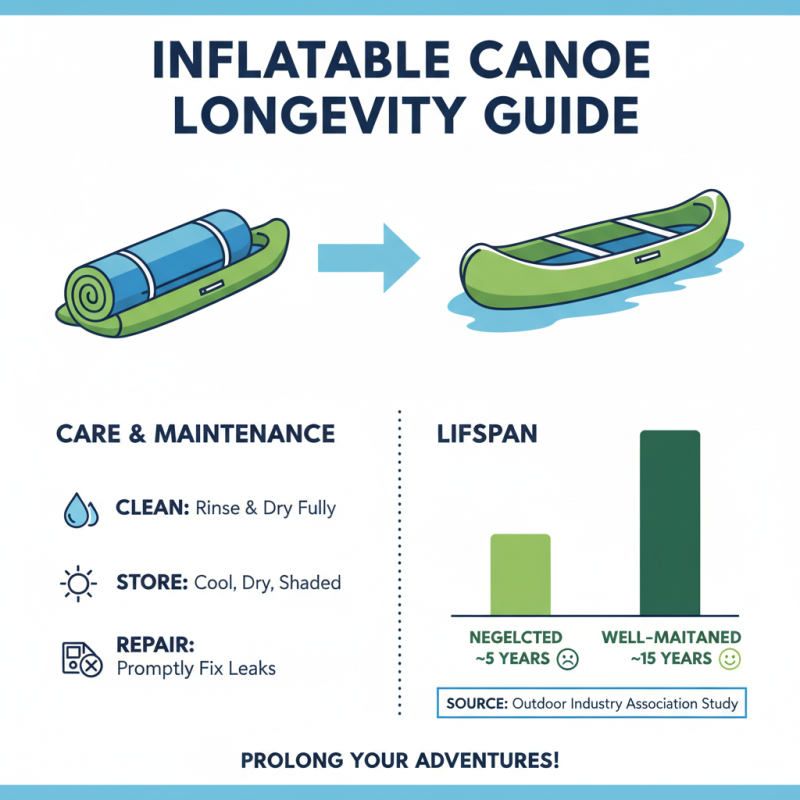
Caring for your inflatable canoe is vital to prolong its life. Proper maintenance can extend its usability by years. A study by the Outdoor Industry Association notes that well-maintained canoes can last up to 15 years, compared to just 5 years for neglected ones.
Start by cleaning your canoe after each outing. Freshwater can remove dirt and salt, preventing wear. Pay special attention to seams, as these can weaken over time. Also, inspect the canoe for any signs of damage. A small leak can escalate into a bigger issue if not addressed promptly.
Storage also plays a crucial role in your canoe's longevity. Keep it away from direct sunlight and extreme temperatures. A cool, shaded area can work wonders. If you pack the canoe away, make sure it’s completely dry to avoid mold formation. Following these steps can be easy, yet many boaters overlook them, leading to prompt degradation. Regular check-ups can be a handy habit. Reflection on maintenance can save money in the long run.