How to Choose the Best Inflatable Raft for Your Needs?
Choosing the best inflatable raft can be a challenging task. With various options on the market, it’s crucial to understand your specific needs. An inflatable raft can serve different purposes, whether for recreation, fishing, or navigating calm waters. These vessels have gained popularity due to their portability and ease of use.
Consider the size and capacity of the inflatable raft you need. Some rafts accommodate several people, while others are designed for solo adventurers. Think about the material as well; durable materials ensure longevity but may add weight. Your choice can impact your overall experience.
Keep in mind, not every inflatable raft is suitable for all environments. Each type comes with its pros and cons. Diving deeper into reviews and expert opinions can guide your decision. Reflect on your priorities and the experiences you desire on your outings. A thoughtful approach will help you find the perfect inflatable raft tailored to your adventures.
Factors to Consider When Selecting an Inflatable Raft
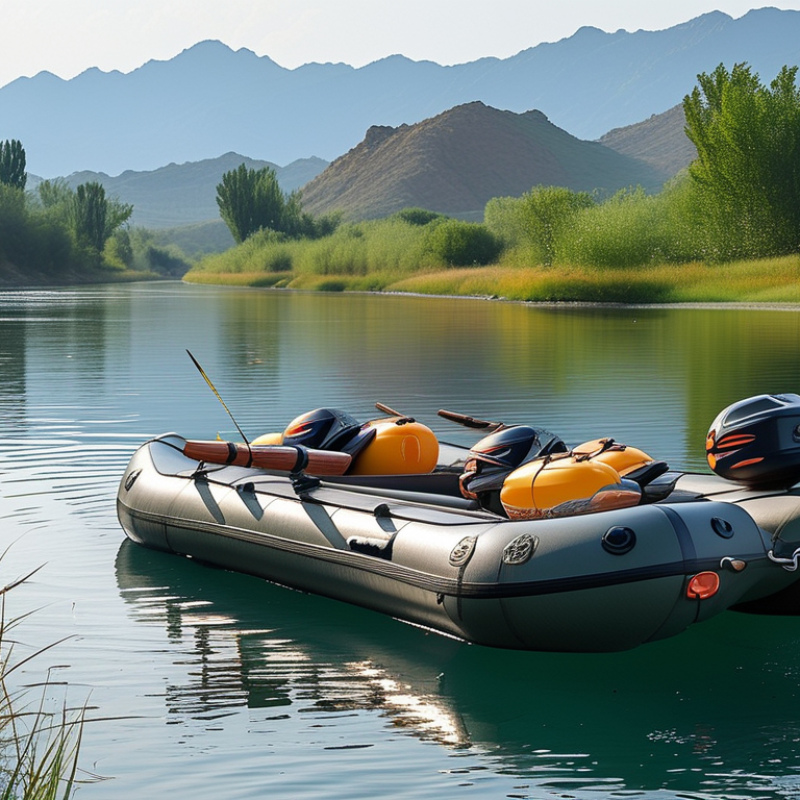
Choosing the right inflatable raft involves careful consideration. Think about your intended use. Are you planning for leisurely river floats or more intense white-water experiences? The design and material will often dictate performance. A heavier-duty raft is essential for rough conditions. Lightweight options work well for calm waters.
Consider the capacity of the raft. How many people will it carry? Be aware of weight limits to ensure safety and comfort. Also, assess the presence of air chambers. Multiple chambers provide security. If one chamber fails, others can keep the raft buoyant.
Tips: Always check for puncture resistance. This feature increases durability. Look for rafts with reinforced seams. This adds to their longevity. Remember, a raft that is easy to inflate and deflate can save time.
Ultimately, the right choice balances personal needs against safety features. While the perfect raft may not exist, refining your preferences will make the selection process smoother. Be open to testing different options. This approach leads to a better understanding of what works best for you. Prioritize safety and performance over trends.
Understanding Different Types of Inflatable Rafts Available
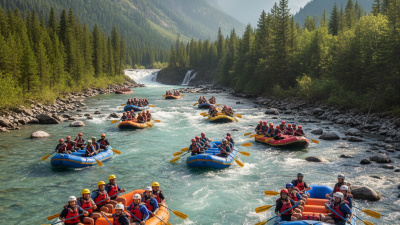
When selecting an inflatable raft, understanding the various types available is crucial. Rafts cater to different activities, such as leisurely river floating or rugged white-water adventures. Each type has its unique features and advantages. For example, some are designed for family outings, providing ample space and stability. Others are built for speed and agility in turbulent waters.
Different materials affect performance and durability. PVC rafts are common; they are affordable and resilient. However, higher-end options use Hypalon or reinforced fabrics for superior strength. Consider your environment as well. Saltwater conditions may require corrosion-resistant materials. Be mindful of the weight capacity, as overcrowding can lead to instability.
Inflatable rafts often vary in setup time and ease of use. Some inflate quickly, while others may take longer, especially those with added features. Always inspect seams and valve placements after inflation. A well-made raft should endure wear and tear. A little research can save headaches later. Understanding your needs is key to finding the right inflatable raft.
How to Choose the Best Inflatable Raft for Your Needs?
| Type of Inflatable Raft |
Best For |
Capacity |
Material |
Weight |
| Whitewater Raft |
Rough waters and rapids |
4-8 people |
PVC or Nitrilon |
50-70 lbs |
| Fishing Raft |
Calm waters and fishing trips |
2-4 people |
Hypalon or PVC |
30-50 lbs |
| Recreational Raft |
Leisurely outings and family trips |
2-6 people |
Vinyl or PVC |
20-40 lbs |
| Multi-Person Raft |
Group outings and events |
6-12 people |
PVC |
70-100 lbs |
| Touring Raft |
Long-distance adventures |
2-4 people |
Hypalon |
40-60 lbs |
Key Features to Look for in an Inflatable Raft
When selecting an inflatable raft, several key features deserve your attention. Start by considering the material used. High-quality rafts often employ puncture-resistant fabrics. Look for models with reinforced seams for added durability. The inflation method is another crucial factor. Some rafts inflate manually, while others use electric pumps. A quick inflation system saves time on your adventures.
Weight capacity is important too. Consider how many people will use the raft or if you’ll carry gear. Different rafts accommodate different weights, so check specifications carefully. Tips for weight management: divide gear among friends and keep the raft balanced for better stability. This can enhance your rafting experience significantly.
Lastly, portability and ease of storage are essential. Lightweight rafts are more manageable, especially if you plan to travel. Look for designs that deflate easily and fit into a compact carrying bag. Think about the storage space you have at home. Reflect on where you will use the raft most often. The right design should cater to your specific needs and preferences.
Assessing Your Intended Use and Activity Level
Choosing the right inflatable raft requires understanding your intended use and activity level. Do you plan to float gently on a lake, or tackle whitewater rapids? Data shows that about 65% of users prefer rafts for calm waters, while 35% seek adrenaline in rough terrains. Knowing your environment is crucial.
For recreational purposes, opt for wider designs that offer stability. These rafts are suitable for leisurely paddling. They typically weigh between 15 to 30 pounds and accommodate up to five people. In contrast, rafts designed for whitewater activities often feature a more streamlined structure, crafted for speed and handling. Such models can weigh more and require advanced paddling skills. Interestingly, a recent survey revealed that 40% of novice users underestimated the importance of raft stability.
Reflect on your expected activity levels. Will you use the raft for family outings or solo adventures? Your choice should align with these goals. Rafts showcased for versatility might appeal to many but require compromises. For example, multi-purpose rafts lack the specialized performance of dedicated models. Some users report dissatisfaction after realizing their inflatable can't handle intense conditions. Balancing your needs with raft capabilities is essential for a satisfying experience on the water.
Inflatable Raft Usage by Activity Level
Budgeting for Your Inflatable Raft Purchase and Maintenance
Purchasing an inflatable raft can seem overwhelming. Budget plays a crucial role in this decision. Price ranges vary widely based on size, material, and features. It's essential to evaluate what you're willing to spend. You might find lower-cost options lacking durability. Think about long-term use. Investing a bit more could mean better quality.
Don't forget about maintenance costs. Rafts require care to last. You need to factor in repair kits and storage solutions. Regular checks can prevent costly issues later. Water conditions and frequent usage impact wear and tear. Failure to maintain can lead to unexpected expenses. Being proactive is crucial.
Reflect on your needs and environment. Are you using it in calm waters or rougher settings? This could affect material choices. While you might lean towards a budget model, consider its limitations. It’s easy to overlook these factors. A well-planned budget ensures your investment brings joy, not regret.