2026 How to Choose the Best Inflatable Catamaran for Your Needs?
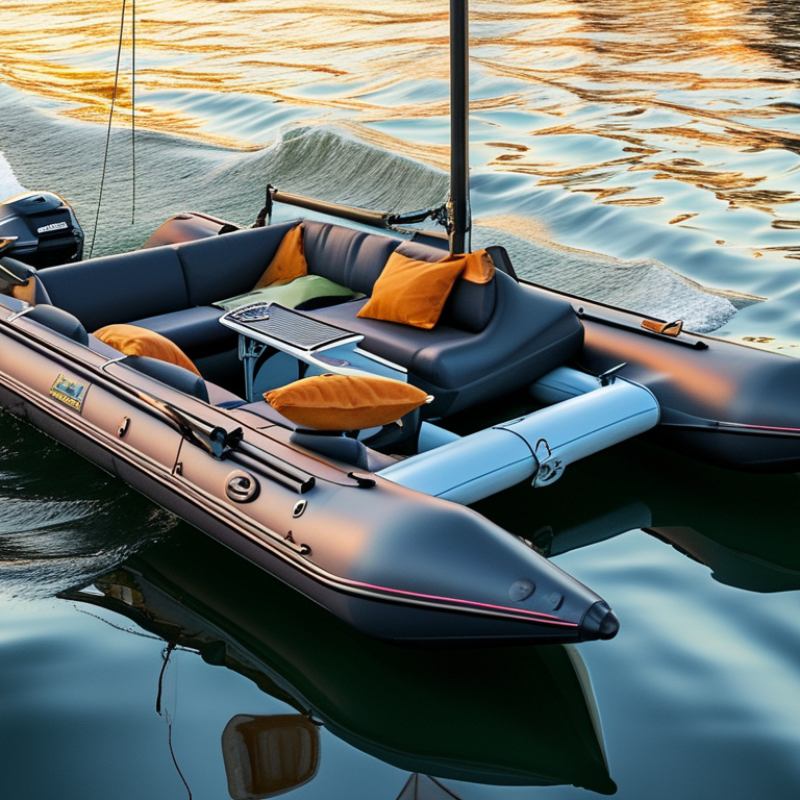
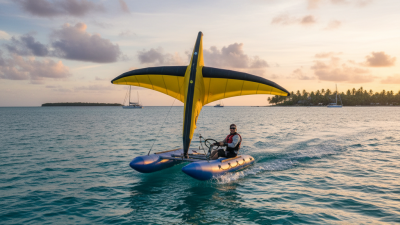
Choosing the right Inflatable Catamaran can transform your water adventures. This lightweight craft offers stability, speed, and ample space. Whether you're a beginner or an experienced sailor, understanding your specific needs is crucial.
Consider the size of your group. A smaller catamaran is ideal for solo trips, while larger models accommodate families. Stability matters too. You want a design that handles waves well. Material quality is another factor. Durable materials enhance longevity, ensuring you won't need frequent replacements.
Think about your preferred activities. Will you be fishing, sailing, or just relaxing? Different catamarans cater to various activities. Evaluating these factors can help you avoid common pitfalls. Sometimes, impulse purchases lead to regrets. Take your time to research and reflect on your choices. Ultimately, the perfect Inflatable Catamaran awaits you.
Key Factors to Consider When Selecting an Inflatable Catamaran
When selecting an inflatable catamaran, several key factors require careful assessment. The size of the catamaran is crucial. Larger models offer more space for passengers and gear, while smaller ones are easier to transport. Think about how many people will regularly join you. A two-person catamaran may suffice for casual outings, but families might need larger options.
Durability is another important aspect. Look for high-quality materials that can withstand wear and tear. Pay attention to the seams and overall build quality. A catamaran with reinforced seams offers greater reliability. However, even durable models can experience punctures. Regular maintenance checks are vital to ensure safe outings.
Portability is also significant. Consider how easy it is to inflate and deflate the catamaran. A lightweight design may enhance portability, but it shouldn’t compromise stability. Check if it fits in your vehicle, especially if you plan long trips. Balancing convenience and performance often requires trade-offs. Reflect on what matters most for your adventures, whether it's speed or ease of transport.
2026 How to Choose the Best Inflatable Catamaran for Your Needs? - Key Factors to Consider When Selecting an Inflatable Catamaran
| Feature |
Importance |
Recommendation |
| Size and Capacity |
High |
Choose based on number of passengers and gear |
| Material Quality |
High |
Opt for PVC or Hypalon for durability |
| Inflation System |
Medium |
Consider options for manual or electric inflation |
| Portability |
High |
Look for lightweight and compact designs |
| Stability on Water |
High |
Check for features like wide beam or reinforced hull |
| Storage Space |
Medium |
Evaluate for compartments and bungee cords |
| Price |
Medium |
Set a budget but consider quality as a priority |
Understanding Different Types of Inflatable Catamarans Available
When selecting an inflatable catamaran, understanding the types available is vital. There are two main categories: rigid and soft-shell catamarans. Rigid models offer stability and speed, ideal for longer journeys. Their structures often enhance performance in varying water conditions. However, they can be bulkier to transport and store.
Soft-shell varieties are lightweight and portable. They usually deflate easily, making them perfect for casual outings or short trips. The drawback is they may not handle rough waters as well as rigid designs. Additionally, the material's quality varies, impacting durability. Careful consideration of your planned use will help in your choice.
Other factors include size and weight capacity. A larger catamaran can accommodate more passengers or gear but may be tough to maneuver. It’s also essential to check the inflation method and time required. Remember, a catamaran that fits your needs best is not always the most expensive. Balancing convenience, stability, and speed can lead to an optimal selection. Be mindful of your priorities to avoid potential dissatisfaction later.
2026 Inflatable Catamaran Types Comparison
Evaluating Size and Weight Capacity for Your Specific Needs
When choosing an inflatable catamaran, evaluating size and weight capacity is essential. A catamaran's dimensions determine stability and space. For example, a 14-foot catamaran typically supports a maximum weight of 600 pounds. In contrast, a larger model can accommodate up to 1,200 pounds. This information is crucial when planning group trips or carrying gear. A lighter boat may be easier to transport, but it may sacrifice capacity.
Consider your needs carefully. For solo adventures, a smaller size may suffice. However, families or groups might require more room. The American Boating Association suggests a guideline: allocate around 200 pounds per person when calculating capacity. This ensures safety and performance.
Examining the material is also vital. Lightweight fabrics enhance portability but may compromise durability. It's worth noting that some inflate quickly but lose air on longer journeys. Always check reviews or studies related to specific models. Not all inflatable catamarans are created equal. The right balance of size, weight, and material leads to enjoyable outings.
Assessing Material Quality and Durability of Catamaran Models
When selecting the best inflatable catamaran, material quality is paramount. Different models use varied materials, impacting durability and performance.
PVC and Hypalon are common choices, each with distinct advantages and drawbacks.
PVC is lightweight and cost-effective, but it may not withstand harsh conditions as well as Hypalon. Hypalon offers superior UV and abrasion resistance, though it can be heavier and pricier.
Understanding these materials helps potential users gauge how each catamaran will perform in their specific environments.
Evaluate not just the material, but also the construction quality. Seam strength is crucial. Poorly constructed seams can lead to leaks and a reduced lifespan. Look for models with reinforced seams and quality stitching.
Additionally, check for the design features that enhance durability, such as protective coatings or reinforced areas prone to wear. Well-constructed catamarans can withstand challenging conditions, but compromises are common.
User feedback is valuable. Reading reviews provides insight into real-world performance. Many users appreciate durability, but some highlights include issues with weight and bulk. Some catamarans that seem solid may feel cumbersome when transporting.
In contrast, lightweight models can be less durable, prompting a need for careful thought.
Balancing durability with usability is essential in making a suitable choice.
Exploring Additional Features and Accessories for Enhanced Performance
When selecting an inflatable catamaran, consider the additional features that enhance performance. For instance, the choice of material significantly impacts durability and weight. PVC and Hypalon are popular options. PVC is generally less expensive but may offer lesser UV resistance than Hypalon. According to industry reports, Hypalon can extend product lifespan by up to 20% when exposed to harsh conditions.
Another key aspect is the inflatable design. Some models provide integrated extra buoyancy for stability in rough waters. Adding skegs can improve tracking, making navigation smoother. Research shows that catamarans with external storage options often allow for better organization and ease of access. Enhanced cargo capacity can be a game changer for longer trips.
Lastly, accessories such as paddle holders or quick-release systems can add to convenience. These supplemental items not only improve functionality but also cater to specific user needs. However, they can also increase overall weight, impacting portability. It is critical to strike a balance between performance-enhancing features and manageable weight for optimal enjoyment.