How to Choose the Best Inflatable Pool for Your Beach Trip 2026?
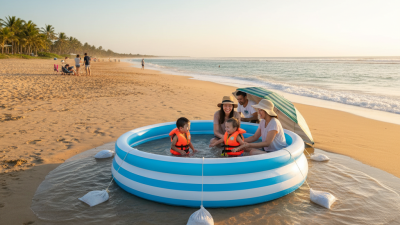
As the popularity of beach trips continues to rise, many families seek the best ways to enhance their seaside experiences. One trend that stands out is the use of inflatable pools at the beach. These pools provide a fun, convenient way for families to relax and play by the water. According to industry reports, the global inflatable pool market is expected to grow significantly, highlighting the demand for innovative and portable leisure products.
Choosing the right inflatable pool at the beach can be challenging. With so many options available, you must consider size, durability, and ease of setup. Reports suggest that factors like material quality and design will greatly affect the overall experience. For instance, sturdy materials can enhance longevity, while easy inflation mechanisms can simplify the setup process. However, not every product meets these standards. Some inflatable pools may lack sufficient safety features or durability, leading to potential issues.
Additionally, shoppers need to navigate a vast array of options without becoming overwhelmed. It’s important to evaluate reviews and ratings to identify quality products. You might reflect on your past experiences with inflatable pools. Did they meet your expectations? Did you face challenges with setup or stability? Answering these questions can help guide your purchasing decisions and ensure you select the best inflatable pool for a memorable beach trip.
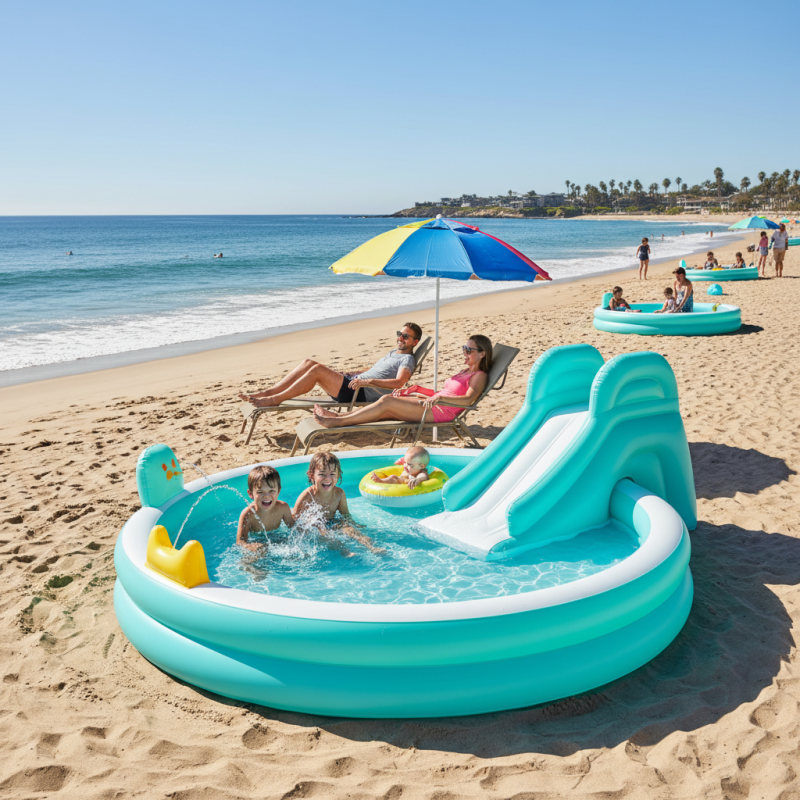
Understanding the Different Types of Inflatable Pools Available
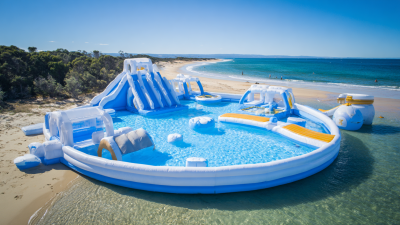
When selecting an inflatable pool for your beach trip, it's crucial to understand the different types available. Inflatable pools vary in size, shape, and material. Some are designed for kids, while others cater to adults. This variation affects portability and ease of setup. A recent industry report indicates that the demand for inflatable pools has surged by 25% in the past two years. Families seek fun and relaxation in accessible formats.
Round inflatable pools are popular for their compact designs. They offer a cozy space for small gatherings. Rectangular options provide a more extensive swimming area, suitable for larger groups. The depth of the pool matters as well. Many users prefer pools with a depth of at least 36 inches for a more authentic swimming experience. However, be cautious with smaller children; depth can pose safety risks.
**Tip**: Always check for puncture-resistant materials. This will enhance durability, especially when placed on sandy beaches.
Consider portability when choosing your pool. Lightweight models are easier to transport but may sacrifice sturdiness. A heavy-duty option could be cumbersome. Make sure to balance these factors according to your beach itinerary. Remember, not every pool suits every need. Take time to assess what works for your family dynamics and lifestyle.
Types of Inflatable Pools for Your Beach Trip 2026
Key Features to Consider When Choosing an Inflatable Pool
Choosing the right inflatable pool for your beach trip can enhance your fun. Look for size first. A larger pool accommodates more people. But do consider the space available. A big pool can be hard to manage on crowded beaches.
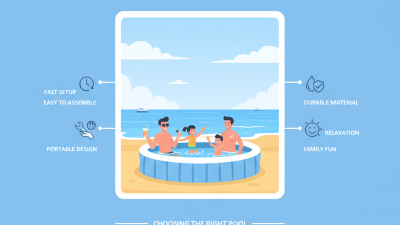
The material is crucial too. Durable materials resist punctures and tears. Look for options that offer UV protection to avoid fading in the sun. Weight also matters. Heavy pools can be a hassle to transport. Lightweight models are easy to carry but check for quality.
Don't overlook accessories. Inflatable pools often come with pumps and repair kits. Check if these items are included. Perhaps your pool needs extra flotation devices. Consider your beach location for setup ease. A little planning goes a long way. Missing out on fun because of an improperly chosen pool can be frustrating.
Assessing Size and Capacity for Your Beach Trip Needs
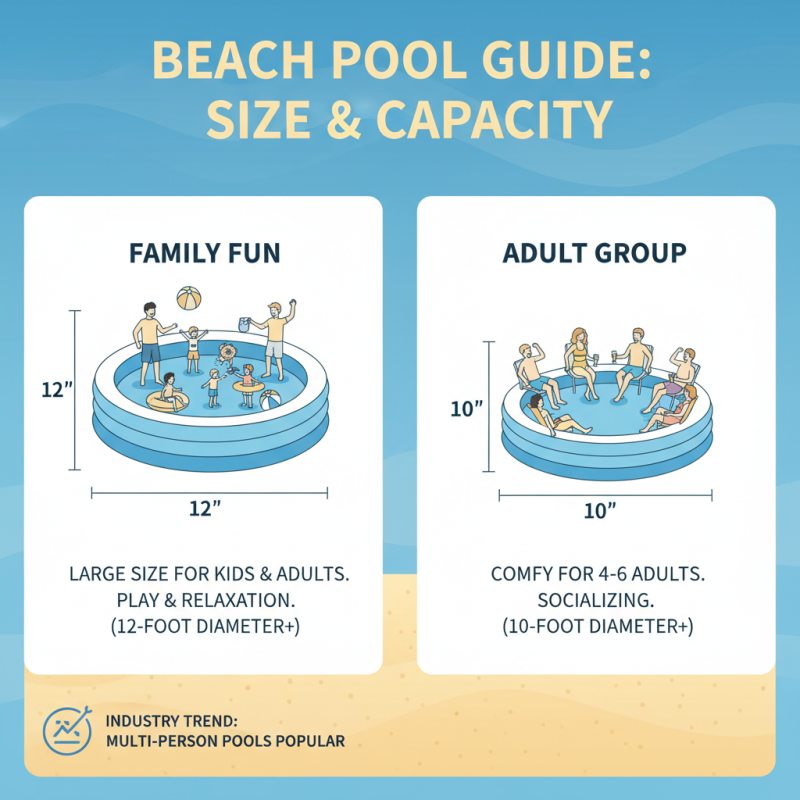
Choosing the right inflatable pool for your beach trip involves careful consideration of size and capacity. A recent industry report indicates that families increasingly prefer pools that accommodate multiple people. A pool with a 10-foot diameter can comfortably fit four to six adults, making it a popular choice. However, if your beach trip includes kids, you may want a larger space for play and relaxation.
When assessing capacity, think about your group size. A pool's capacity can be misleading. A 5-foot pool may claim to hold several people, but only if they stand close together. Look for pools with stated water capacity in gallons. For example, a pool that holds 300 gallons provides ample water for splashing and staying cool. Additionally, keep in mind weight limits. An inflatable pool can feel unsteady if not handled properly, especially when full.
Your needs may differ from others. If it's just you and a friend, a smaller option might suffice. But larger gatherings require more space. Reflect on what works for you. A pool that isn’t large enough could leave little room for enjoyable moments. Always prioritize safety and comfort over aesthetics.
Material Durability and Safety Considerations for Inflatable Pools
When choosing an inflatable pool for your beach trip,
material durability is essential. Look for heavy-duty
vinyl or PVC. These materials resist
punctures and tears. They are also resistant to UV rays.
Thin materials might be cheaper, but they can lead to disappointment. A durable pool
ensures safety and longevity.
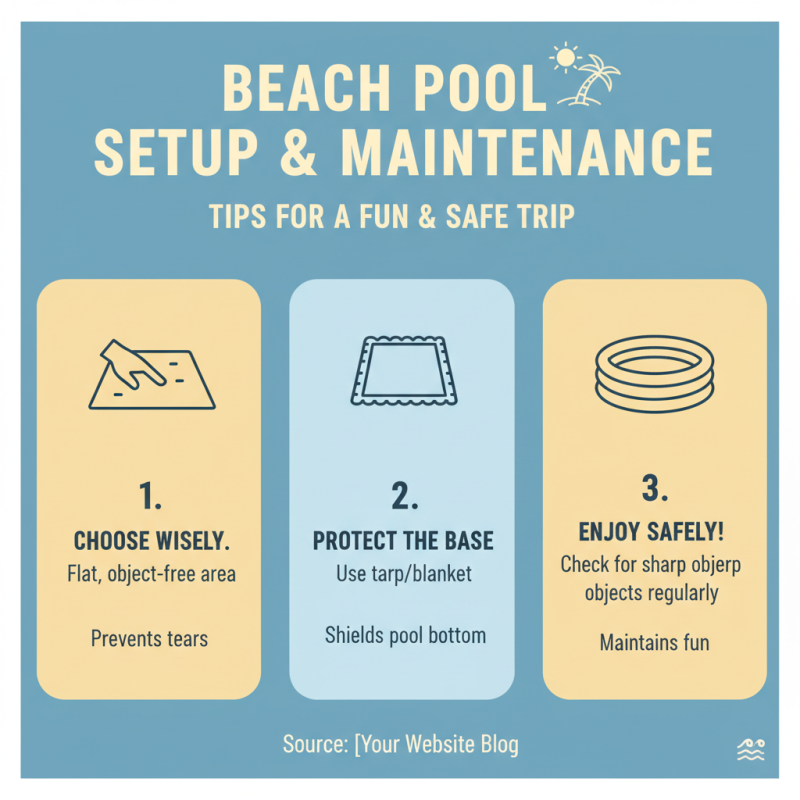
Tip: Always inspect the seams and edges. Weak points often develop there.
Test the pool before your trip. Fill it with air and water at home. This way, you can
check for leaks or weaknesses. It's a critical step
that many overlook.
Safety should be a top priority. Ensure your pool has
safety features. Look for pools with softer edges. These reduce the risk of injury. Sharp
edges can be dangerous, especially for children. Some inflatable pools come with
non-slip surfaces, which are a good choice.
Tip: Consider the size of the pool. A larger pool can hold more water, but
it also means more risk. Ensure there’s enough space around the pool for safe usage. Think
about how you will manage the pool's stability. A loose pool
can be a hazard, especially in windy conditions.