What is the Best Small Inflatable Pool for Beach Use?
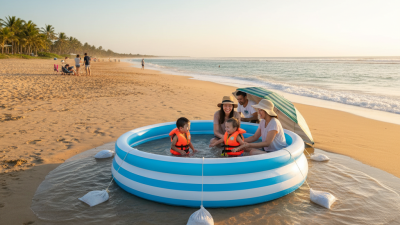
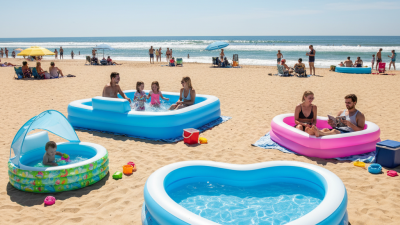
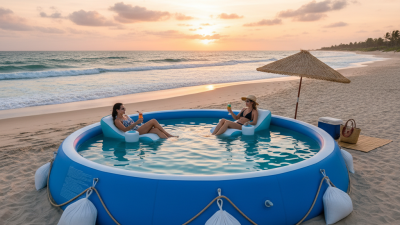
When it comes to enjoying a day at the beach, a Small Inflatable Pool For Beach can be a game-changer. Imagine setting up a small oasis right on the sand. This portable pool provides a refreshing escape from the heat, making it perfect for families and friends. The concept sounds appealing, but finding the ideal pool requires careful consideration.
A top-notch small inflatable pool should be lightweight and easy to carry. Look for materials that can withstand sun exposure and occasional rough handling. You want a pool that inflates quickly and packs away easily. However, not all inflatable pools are created equal. Some may lack durability or comfort. Checking reviews and ratings is crucial to ensure you choose wisely.
Additionally, consider how many people will use it. A pool that is too small can lead to disappointment, while one that is too large may be cumbersome. Balancing size with portability is essential. While enjoying a Small Inflatable Pool For Beach is fantastic, it’s vital to reflect on what features truly meet your needs.
What to Consider When Choosing a Small Inflatable Pool for Beaches
When selecting a small inflatable pool for beach use, several factors come into play. The pool's portability is crucial. A lightweight design ensures easy transport. Look for materials that can withstand rough conditions. Sand and salt can wear out lower-quality materials quickly.
Size is another important consideration. A compact pool fits well in most beach setups. It allows for easy setup and provides ample space for kids to splash around. Ensure it can hold enough water for enjoyment without being overly cumbersome.
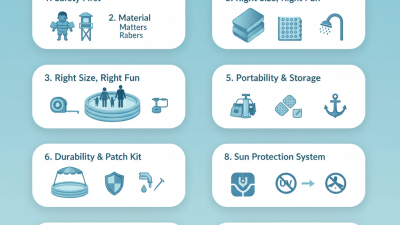
Here are some tips: Check for UV resistance in the pool fabric. It prolongs the lifespan of your pool, especially under the sun. A good valve system is essential. It helps with quick inflation and deflation. Lastly, consider ease of cleaning. Sand can get trapped in seams, making maintenance vital. Reflect on your beach habits. Do you prefer a pool that stays put or one that can easily move with you?
Comparative Analysis of Popular Inflatable Pool Materials and Durability
When considering the best small inflatable pools for beach use, the material plays a crucial role in durability and performance. Common materials include PVC, Oxford fabric, and rubber. According to a 2022 industry report, PVC offers excellent tear resistance but can deteriorate under UV exposure, often lasting only a season if not properly cared for. Oxford fabric, though lighter, provides superior resistance to abrasions and punctures, making it a preferred choice for rough beach surfaces.
Another aspect to consider is thickness. Many pools come with varying thicknesses of material. A thicker design enhances longevity. Research indicates that inflatable pools with a material thickness of at least 0.4mm can withstand harsher conditions. However, thinner designs are lighter and more portable, which is a trade-off one must evaluate.
User experiences reveal mixed opinions on aesthetics versus practicality. Some pools are visually appealing but may fail in durability. Real-life tests show that even slight punctures can lead to significant water loss. The challenge lies in finding the right balance between style and substance, ensuring that the pool serves its purpose without frequent repairs. Careful consideration of these factors can greatly enhance the beach experience.
Durability Comparison of Popular Inflatable Pool Materials
This chart shows a comparative analysis of the durability of different inflatable pool materials commonly used for beach settings. The materials compared include PVC, acrylonitrile butadiene styrene (ABS), and polyethylene (PE). The durability ratings are based on resistance to punctures, UV exposure, and overall longevity under different environmental conditions.
Size and Depth: Finding the Right Dimensions for Beach Use
When choosing a small inflatable pool for the beach, size and depth are crucial factors. Comfort and safety often hinge on these dimensions. Many studies indicate that pools around 5 to 8 feet in diameter work best for small groups. This size offers enough room for children and adults while also being portable.
Depth also matters. Pools deeper than 18 inches can pose risks, especially for younger kids. Industry experts suggest keeping water levels less than 12 inches for beach use. This allows for safe play while minimizing water volatility caused by waves or wind. Furthermore, many users report issues with pools that are too shallow; children might find them less enjoyable and more uninviting compared to deeper options.
Balance is key. Shallow pools are safer, but they can lead to disappointment. Those who have experienced this often find themselves wishing for a bit more depth. Selecting the right dimensions can greatly enhance the beach experience. Consider your group size and intended use carefully. The perfect small inflatable pool balances safety and enjoyment.
Safety Features and Inflation Speed: Ensuring a Hassle-Free Experience
When choosing a small inflatable pool for beach use, safety features are critical. Look for pools with sturdy materials that can withstand rough surfaces. Reinforced seams are essential to prevent leaks. Additionally, non-slip bottoms provide stability, reducing the risk of accidents on sandy surfaces. These features ensure a safer play environment for children and adults alike.
Inflation speed can greatly affect your beach experience. Some pools inflate in under five minutes, which is ideal after a long drive. Opt for models that come with an electric pump for quick setup. Manual pumps, while portable, often take longer and require effort. Take time to assess the inflation method before your trip. Efficient inflation lets you enjoy more time in the water and less time setting up.
While the convenience of a lightweight design is appealing, be cautious. Some inflatable pools might compromise durability for portability. Always read reviews and check user feedback for hints of wear and tear. It’s important to balance ease of transport with safety and longevity. Finding the right small inflatable pool means careful consideration of these key factors.
What is the Best Small Inflatable Pool for Beach Use? - Safety Features and Inflation Speed: Ensuring a Hassle-Free Experience
| Model |
Dimensions (ft) |
Safety Features |
Inflation Speed (min) |
Weight (lbs) |
Water Capacity (gallons) |
| Compact Splash Pool |
6 x 4 |
Reinforced seams, non-slip bottom |
5 |
10 |
50 |
| Mini Fun Pool |
5 x 3 |
Inflatable edges, UV protection |
7 |
8 |
40 |
| Family Beach Pool |
8 x 6 |
Mesh safety wall, inner floaties |
6 |
12 |
80 |
| Quick Set Pool |
7 x 5 |
Anti-leak design, safety valve |
4 |
11 |
70 |
Cost vs. Performance: Evaluating Value in Small Inflatable Pools
When selecting a small inflatable pool for beach use, cost versus performance becomes a critical factor. According to a recent market report, over 65% of consumers prioritize durability and ease of setup over price. Inflatable pools designed for beach environments need to withstand wind and water exposure. Lightweight materials often compromise strength. Balancing costs with performance is key here.
Another aspect to consider is capacity. Many small inflatable pools have a limited number of users. Industry data indicates that pools accommodating 2-4 persons tend to sell better, reflecting family-friendly options. However, larger pools may seem more appealing yet require more storage space, making them a potential hassle.
In terms of maintenance, many inflatable pools require frequent checks for punctures and leaks. Users often overlook this, leading to premature wear. Studies show that pools needing regular upkeep can cost up to 30% more over time due to repairs and replacements. Therefore, choosing a product that offers balance is crucial. The right inflatable pool should fit users' needs while being manageable in size and cost.